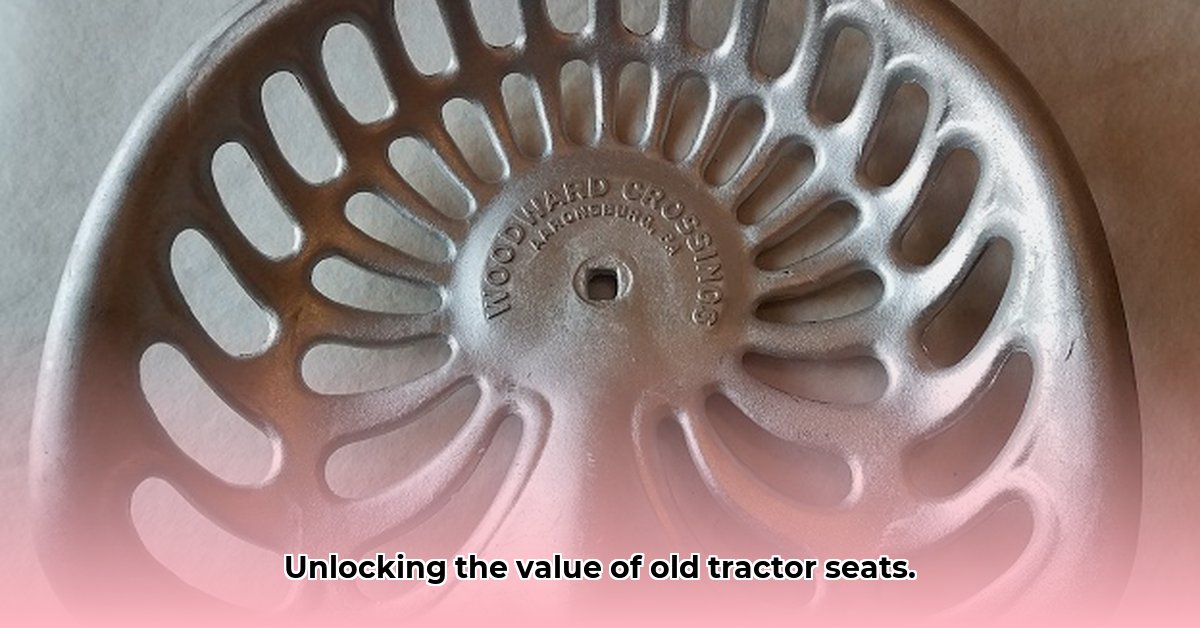
Old Tractor Seats: A Collector's Deep Dive
The world of vintage tractor seats is surprisingly captivating. More than just rusty metal and worn fabric, these seats tell stories of hardworking farmers and agricultural innovation. They're a tangible link to our past, reflecting the evolution of tractor design. For collectors, it's about appreciating their rugged beauty and the history they embody. But unearthing a true gem requires knowledge and a keen eye. Did you know that the condition of a seat can drastically impact its value, sometimes exceeding the cost of restoration? For more resources on finding vintage seats, check out this helpful website.
Unearthing a Treasure: Brands, Models, and the Hunt
Not all old tractor seats are created equal. Certain brands, like International Harvester, command higher prices than others due to rarity and desirability. Condition is paramount; a perfectly preserved seat is a collector's dream. Minor wear reduces value, while significant damage greatly diminishes it. Knowing the specific tractor model the seat came from significantly increases its appeal. Thorough research into tractor history and model specifics is essential.
The Material Matters: Leather, Vinyl, and More
The materials used significantly influence value. Genuine leather seats are highly sought after, commanding a premium. While vinyl was common, its condition and quality impact value. The metal frame's integrity is also crucial; rust and damage reduce value. Careful examination is essential to distinguish original features from replacements or repairs.
Grading the Goods: A Collector's Assessment
While no universal grading system exists, collectors generally use a framework similar to this:
- Excellent: Near-perfect condition with minimal wear.
- Good: Minor wear, but structurally sound.
- Fair: Noticeable wear, requiring some repairs.
- Poor: Significant damage, needing substantial restoration.
Remember, grading is subjective. Comparing similar seats sold at reputable auctions or online marketplaces provides a more accurate pricing benchmark. Isn't it fascinating how a seemingly simple seat can have such nuanced value considerations?
Price Points & Market Trends: Navigating the Numbers
Pricing vintage tractor seats isn't exact. Rarity, condition, brand, and materials all contribute to price fluctuations. Online marketplaces offer insights into current values, but proceed cautiously. Recent years have shown a steady increase in value for high-quality seats, especially those from popular brands. Geography also affects pricing; research your local market thoroughly.
How to Restore Vintage Tractor Seats to Increase Their Value
Key Takeaways:
- Restoring vintage tractor seats preserves agricultural history.
- Careful assessment of type and condition is crucial for effective restoration.
- A phased approach, prioritizing repair over complete replacement, is more cost-effective and sustainable.
- Understanding materials and sourcing appropriate replacements increases success and value.
- Market research guides restoration efforts and helps determine potential value.
Identifying Your Seat: The First Step
Before restoration, identify your seat's type (simple pan seat, padded design, adjustable model). This determines restoration complexity. Take photos, note markings, and research the tractor's make and model—this aids accurate restoration.
Assessing the Damage: A Detailed Inspection
Meticulously examine its condition. Note sagging springs, worn bushings, and torn upholstery. Document everything with photos. This detailed inventory is your restoration roadmap. A systematic approach saves time and prevents costly mistakes.
Sourcing Parts: A Sustainable Approach
Finding original parts increases value. However, replacements are often necessary. Prioritize sustainable options; recycled materials and environmentally friendly products are becoming increasingly available.
Step-by-Step Restoration: A Practical Guide
Restoring vintage tractor seats to increase their value involves these steps:
- Cleaning: Thoroughly clean all components.
- Repairing Metal Components: Address rust and damage. Sandblasting is often used for metal preparation before repainting.
- Replacing Worn Parts: Replace worn bushings, springs, and shock absorbers with high-quality equivalents.
- Upholstery Repair or Replacement: Repair minor tears or replace extensively damaged upholstery.
- Reassembly: Carefully reassemble, ensuring correct fitting and functionality.
- Finishing Touches: Apply a protective coating to metal components.
Understanding Market Value: A Collector's Perspective
Researching recently sold similar seats helps determine your seat's post-restoration worth. Websites and forums dedicated to vintage agricultural equipment provide valuable insights. Remember, rarity, condition, and originality significantly impact value. A well-restored seat will command a higher price.
The Importance of Documentation
Document your entire restoration process. Detailed photos, notes on materials, and a chronological record greatly increase a seat's appeal to potential buyers, adding transparency and credibility to your restoration efforts. This detailed documentation enhances the overall value.